Automated Crypto Trade: How to Let Bots Work While You Sleep
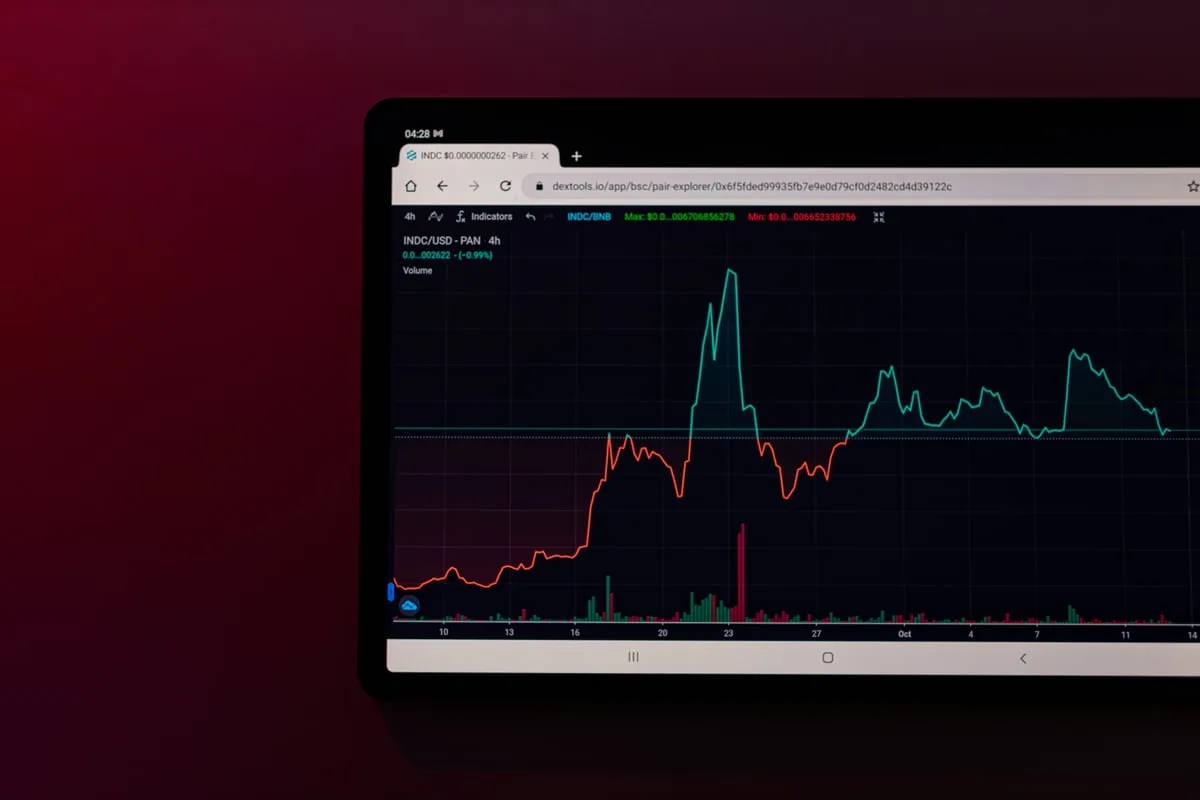
Here’s a number that might surprise you: 60-75% of all trading volume in major markets comes from algorithms, not humans clicking buttons. Institutional investors figured out years ago that machines execute faster, never panic sell, and don’t need coffee breaks.
The reality is that while you’re sleeping, eating, or sitting in meetings, the crypto market keeps moving. Bitcoin doesn’t care about your schedule. Neither does Ethereum.
That’s why automated crypto trade has become the great equalizer. It gives everyday traders access to the same always-on execution that hedge funds have used for decades.
What Is Automated Crypto Trading?
Automated crypto trading means using software to execute trades based on predefined rules. Instead of staring at charts and manually placing orders, you set your strategy once and let the system handle execution.
Think of it like a thermostat for your investments. You set the temperature you want, and the system maintains it without your constant attention.
How Trading Bots Work
A crypto trading bot connects to your exchange account through an API (Application Programming Interface). This secure connection lets the bot read market data and place orders on your behalf.
The basic workflow looks like this:
- Signal generation: The bot analyzes market data based on your criteria
- Risk allocation: It determines position size according to your rules
- Execution: The bot places buy or sell orders automatically
- Monitoring: It tracks open positions and adjusts as needed
Modern platforms like Hummingbot have processed over $34 billion in trading volume, proving this infrastructure can handle serious scale.
Types of Automated Strategies
Not all trading bots do the same thing. Here are the most common approaches:
Grid Trading: Places buy and sell orders at preset intervals above and below a set price. Works well in sideways markets.
DCA (Dollar Cost Averaging): Automatically buys a fixed amount at regular intervals, regardless of price. Reduces the impact of volatility.
Arbitrage: Exploits price differences between exchanges. Requires speed and low fees to be profitable.
Market Making: Places both buy and sell orders to capture the spread. This is how institutional traders often operate.
Trend Following: Uses technical indicators to identify and ride momentum. Buys when trends start, sells when they end.
For a broader overview of crypto trading strategies, see our beginner trading guide.
Why Traders Choose Automation Over Manual Trading
The average trader spends 4-6 hours daily monitoring markets. That’s essentially a part-time job on top of your actual job. Automation changes that equation entirely.
The Emotional Trading Problem
Let’s be honest: most trading losses come from emotions, not bad analysis.
You’ve probably experienced it. You set a stop loss, then moved it because you “felt” the trade would turn around. Or you sold too early because the profit made you nervous.
95% of retail traders lose money in their first year. A huge portion of those losses trace back to emotional decisions.
If you want to master trading psychology, read our emotionless trading guide.
Bots don’t feel fear or greed. They execute exactly what you programmed, every single time. No second-guessing. No panic. No revenge trading after a loss.

24/7 Market Coverage
Traditional stock markets close. Crypto never does.
Bitcoin’s biggest moves often happen during Asian trading hours. If you’re sleeping in New York, you’re missing them. Or worse, you wake up to a portfolio that moved 15% while you couldn’t respond.
Automated crypto trade solves this timing problem. Your bot watches the market at 3 AM so you don’t have to.
Here’s what continuous coverage actually means:
- No missed opportunities: Entries trigger whether you’re awake or not
- Immediate risk response: Stop losses execute in milliseconds, not minutes
- Global market access: Trade any time zone without adjusting your sleep schedule
- Consistent strategy application: Your rules apply 24/7/365
Speed and Consistency
Humans are slow. Even the fastest manual trader takes seconds to analyze a chart, decide on action, and click the button.
Algorithms execute in milliseconds. In volatile markets, that speed difference can mean significantly better prices.
But speed isn’t just about catching opportunities. It’s about consistency.
A bot runs the same analysis, applies the same rules, and executes the same way every time. No tired trading at midnight. No overconfident trading after a winning streak.
How to Start Automated Crypto Trading
Starting automated cryptocurrency trading doesn’t require coding skills or a computer science degree. But it does require careful planning.
Choosing Your Platform
Your choice of trading platform determines what’s possible. Here’s what to evaluate:
Exchange Integration: Does it connect to your preferred exchange? Check for support of major platforms with robust APIs like Coinbase and Binance.
Strategy Options: Some platforms offer pre-built strategies. Others require custom configuration. Match the platform to your technical comfort level.
Security Features: Look for encrypted API key storage, two-factor authentication, and the option to restrict withdrawal permissions on your API keys.
Pricing Model: Subscription fees, trading fees, and profit-sharing models all exist. Calculate total costs for your expected trading volume.
Community and Support: Active user communities often indicate better long-term platform viability.
For developers who want complete control, open-source frameworks like Hummingbot on GitHub offer maximum flexibility. For beginners, hosted solutions with visual interfaces require less technical setup.
Setting Up Your First Bot
Here’s a straightforward approach for your first automated crypto trade:
Step 1: Start Small Begin with an amount you’re completely comfortable losing. Seriously. Even proven strategies can fail in unexpected market conditions.
Step 2: Choose a Simple Strategy DCA bots are ideal for beginners. They’re easy to understand, forgiving of timing mistakes, and teach you how automation works without complex parameters.
Step 3: Connect Your Exchange Create an API key on your exchange. Critical: only enable trading permissions. Disable withdrawals. This limits potential damage if your key is ever compromised.
Step 4: Configure Conservative Settings Set position sizes smaller than you think you should. Use wider stop losses than you might manually. You can optimize later once you understand how the bot behaves.
Step 5: Monitor Closely at First Don’t set and forget immediately. Watch your first few days of trades. Verify the bot does what you expect before trusting it fully.
Backtesting Your Strategy
Backtesting means running your strategy against historical data to see how it would have performed.
Here’s the thing: past performance doesn’t guarantee future results. But backtesting reveals obvious flaws before you risk real money.
Good backtesting includes:
- Multiple market conditions: Test bull markets, bear markets, and sideways action
- Realistic fees: Include trading fees and slippage in your calculations
- Sufficient data: Use at least 6-12 months of historical data
- Out-of-sample testing: Don’t optimize on the same data you’re testing
A strategy that worked in 2024’s conditions might fail in 2026. Backtest against recent data, then forward-test with small real positions before scaling up.
For a practical risk management framework, see our how to trade crypto guide.
Is Automated Crypto Trading Safe?
Let’s address the elephant in the room. Can you trust a bot with your money?
Understanding the Risks
Automated trading isn’t risk-free. The risks are just different from manual trading.
Technical Failures: Internet outages, exchange downtime, and software bugs can all disrupt execution. Have contingency plans.
Strategy Risk: A well-executing bot running a bad strategy still loses money. The bot is just a tool. Strategy quality matters.
Over-Optimization: It’s easy to create strategies that look perfect on historical data but fail in live markets. This is called curve fitting.
Security Vulnerabilities: API keys can be stolen. Platforms can be hacked. Your exchange account is only as secure as its weakest access point.
Black Swan Events: Algorithms based on normal market conditions may behave unpredictably during extreme volatility.
According to Quantified Strategies, 92% of institutional investors use some form of algorithmic trading. They accept these risks because they manage them properly.
Security Best Practices
Protect your automated crypto trade setup with these essential practices:
API Key Hygiene
- Generate unique keys for each application
- Never share keys or commit them to code repositories
- Restrict permissions to minimum necessary (no withdrawals)
- Rotate keys periodically
Platform Security
- Use two-factor authentication everywhere
- Choose established, reputable platforms
- Keep software updated
- Run bots on secure, dedicated machines or reputable cloud services
Financial Protection
- Never automate more than you can afford to lose
- Keep the majority of holdings in cold storage
- Set exchange withdrawal whitelist addresses
- Use email alerts for any account activity
For stop-loss fundamentals and trailing stop tactics, see our trailing stop loss guide.
Common Mistakes in Automated Trading
Learn from others’ expensive lessons:
Starting Too Big: The urge to maximize gains leads traders to automate large positions before understanding their system. Start with 5-10% of your intended capital.
Ignoring Fees: A strategy that generates 0.5% profit per trade looks great until you realize fees eat 0.3%. Net returns matter, not gross.
No Kill Switch: Markets can move against you fast. Know how to immediately stop your bot and close positions if needed.
Set and Forget Mentality: Markets change. A strategy that worked last month might need adjustment. Review bot performance weekly at minimum.
Copying Strategies Blindly: What works for someone else might not match your risk tolerance, capital, or goals. Understand any strategy before deploying it.
Skipping Paper Trading: Most platforms offer demo modes with fake money. Use them. Prove your strategy works before risking real capital.
Over-Leveraging: Leverage amplifies gains and losses. Automated leverage trading can wipe out accounts in minutes during volatility spikes.
Your Automation Action Plan
Ready to let algorithms work for you? Here’s your roadmap:
Week 1: Education
- Research 2-3 automated trading platforms
- Understand the basic strategy types
- Read platform documentation and community forums
Week 2: Setup
- Choose a platform based on your needs
- Create exchange API keys with proper restrictions
- Set up two-factor authentication everywhere
Week 3: Paper Trading
- Configure a simple DCA or grid strategy
- Run in demo mode for at least 7 days
- Track performance and understand bot behavior
Week 4: Go Live (Small)
- Fund with a small test amount
- Run your tested strategy with real money
- Monitor closely and document what you learn
Month 2+: Iterate
- Analyze results and adjust parameters
- Gradually increase capital as confidence grows
- Explore additional strategies as you learn
The institutional traders using algorithmic trading didn’t start with billions. They started with testing, iteration, and gradual scaling.
You can do the same. The tools that power professional crypto trading automation are now accessible to individual traders. The playing field is more level than ever.
The crypto market runs 24/7. Your trading strategy should too.
Ready to get started? Join the Trade247 waitlist for early access.